Khorovats
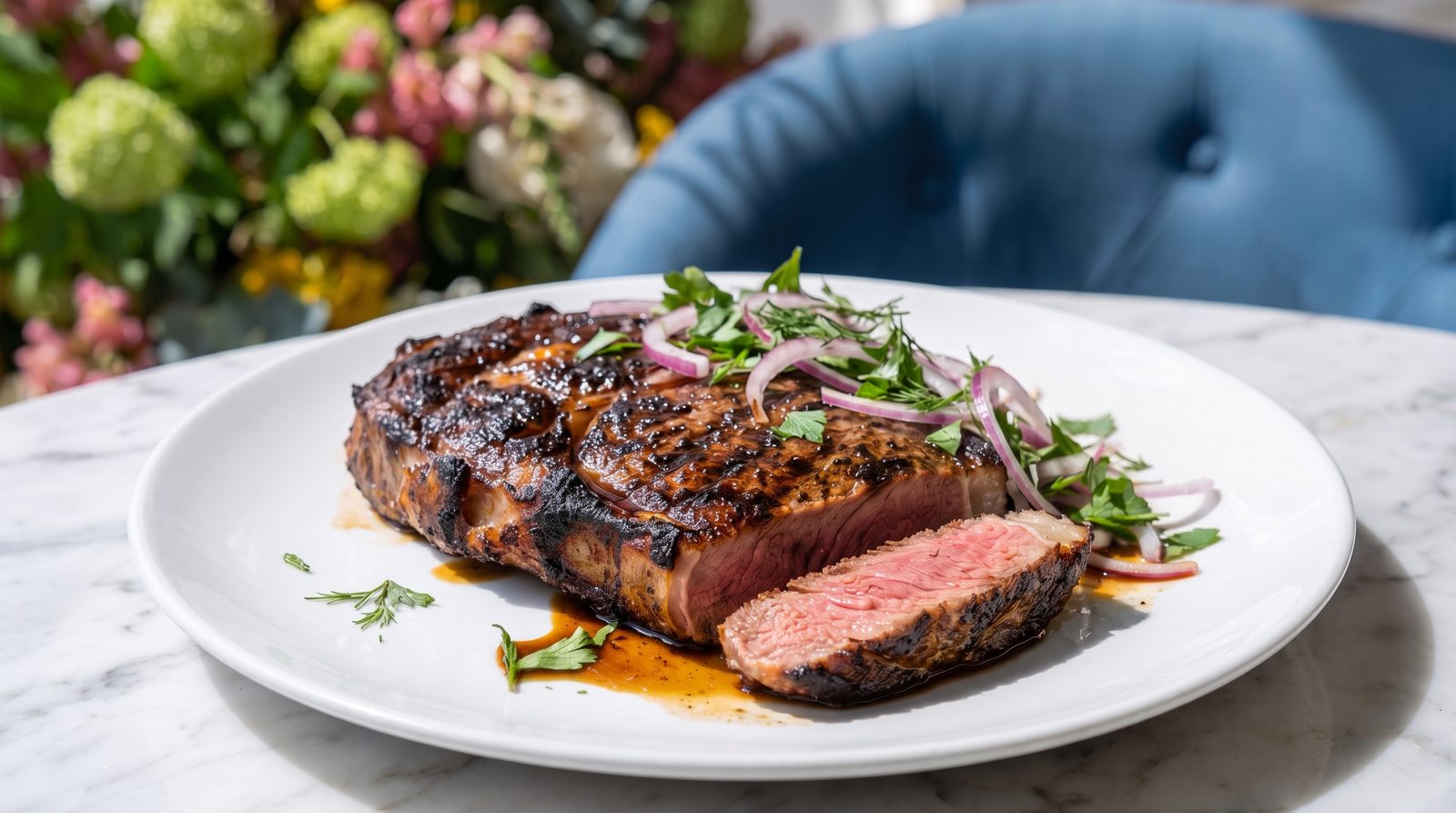
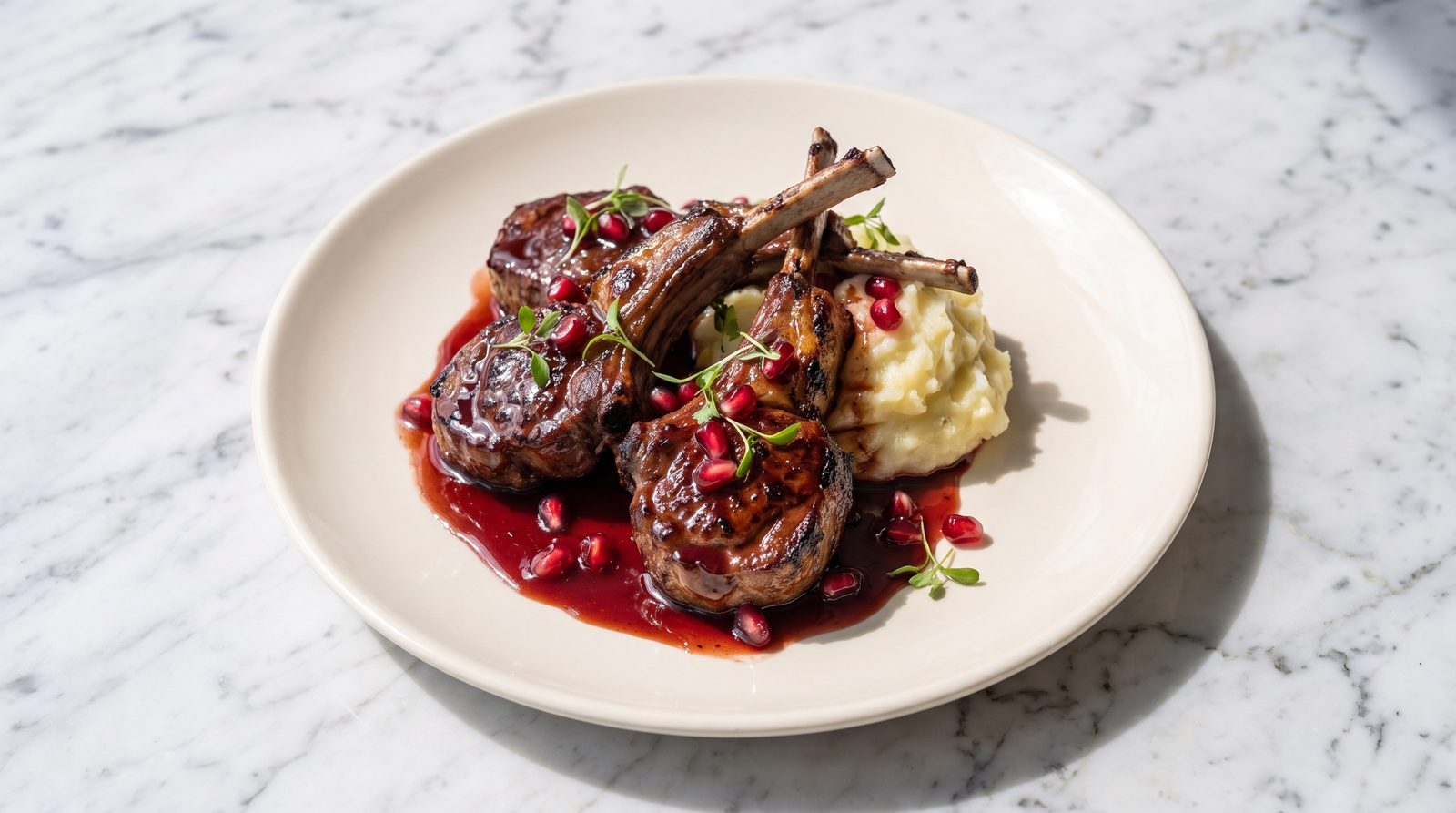
In Armenia, khorovats is an occasion. One person takes charge of the fire, everyone else waits, and the meat arrives still on the skewer under a handful of raw onion. Ours is lamb, ribeye, chicken thigh, pork or whole sea bass.
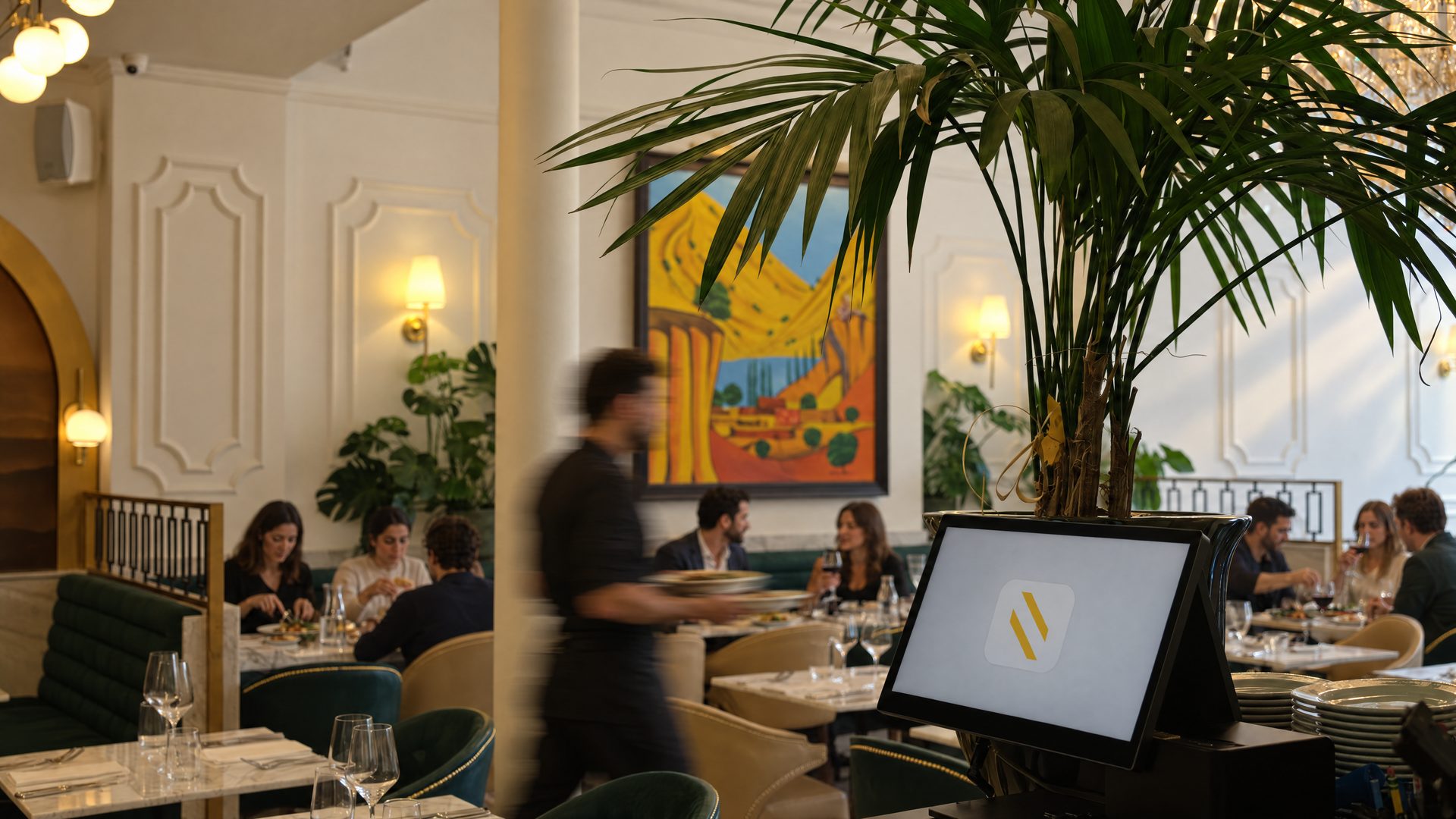
Three families, fifty-eight years, one charcoal grill.
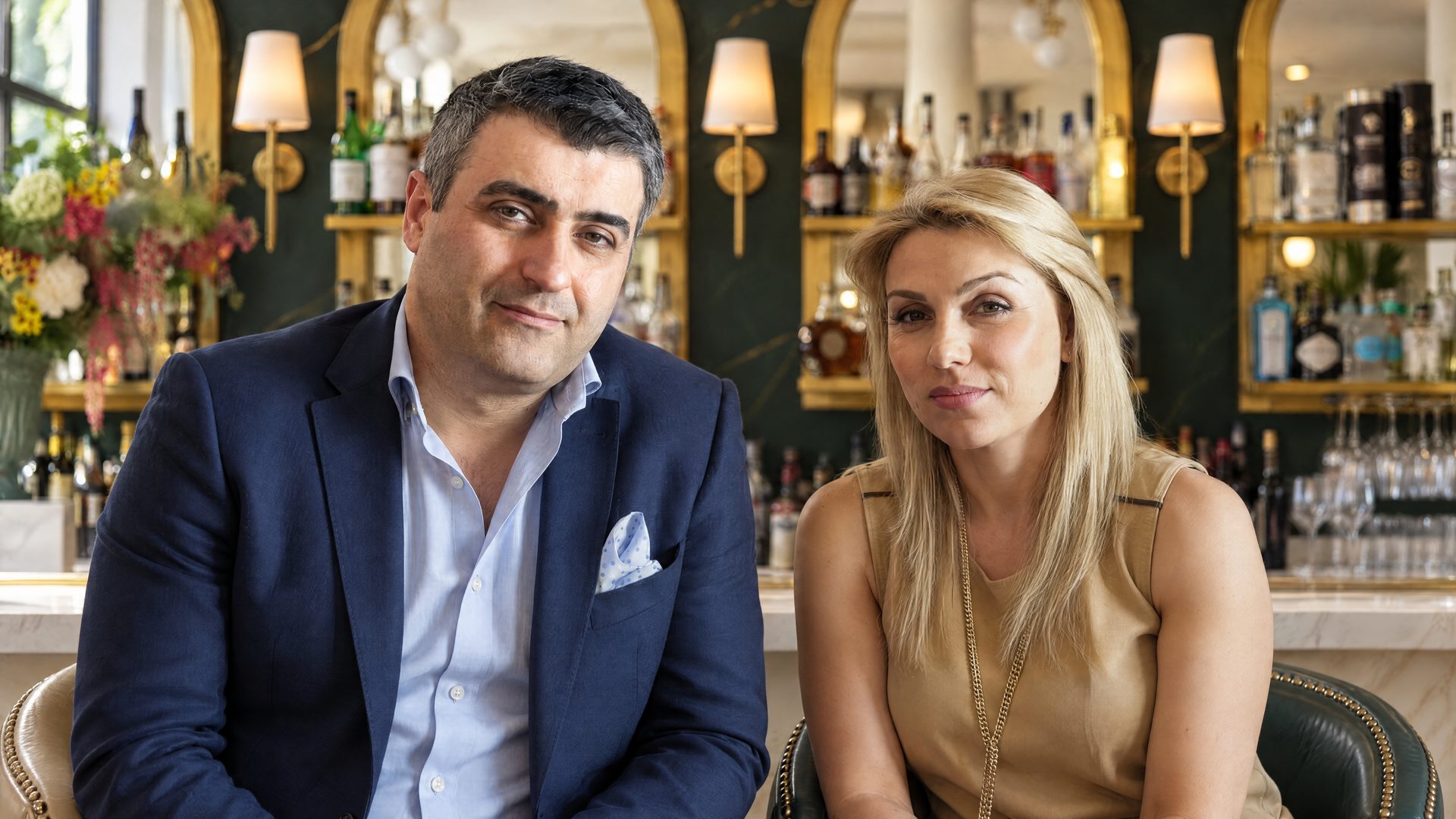
Arman and Arusyak came to Manchester from Armenia and took on a restaurant that had already been here for decades. They are the third family to run it, and they arrived knowing exactly how Armenian food should taste. Everything since has served that: the charcoal, the lavash, the meze that arrives all at once.
The restaurant opened in 1968. There was no Armenian restaurant in Manchester then, and very little Armenian food anywhere in Britain: a handful of places in London, and almost nothing outside it.
It has changed hands twice since. It has never stopped being Armenian.
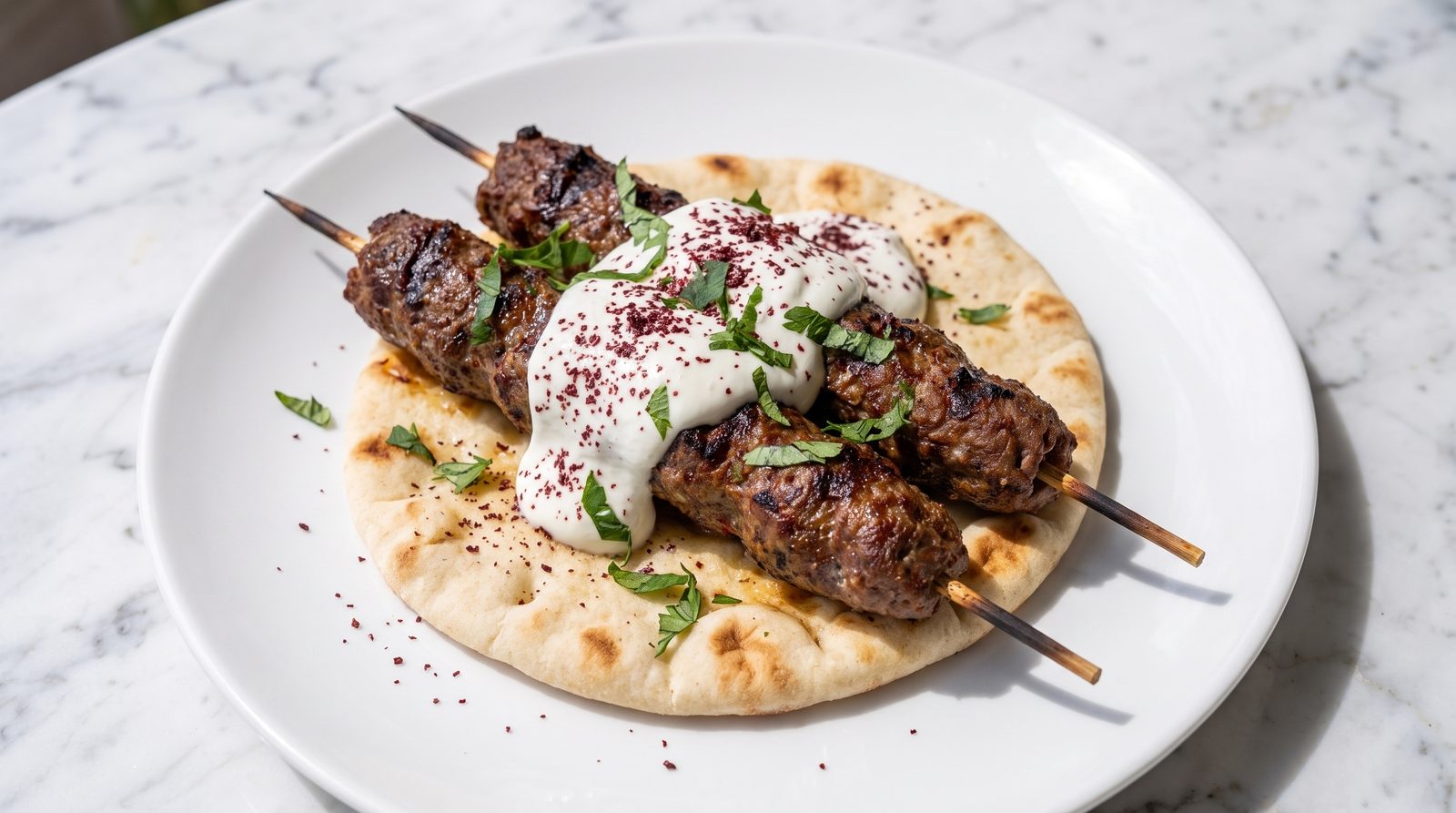
Charcoal, lavash, wild greens and pomegranate. That's most of the secret.
In Armenia, khorovats is an occasion. One person takes charge of the fire, everyone else waits, and the meat arrives still on the skewer under a handful of raw onion. Ours is lamb, ribeye, chicken thigh, pork or whole sea bass.
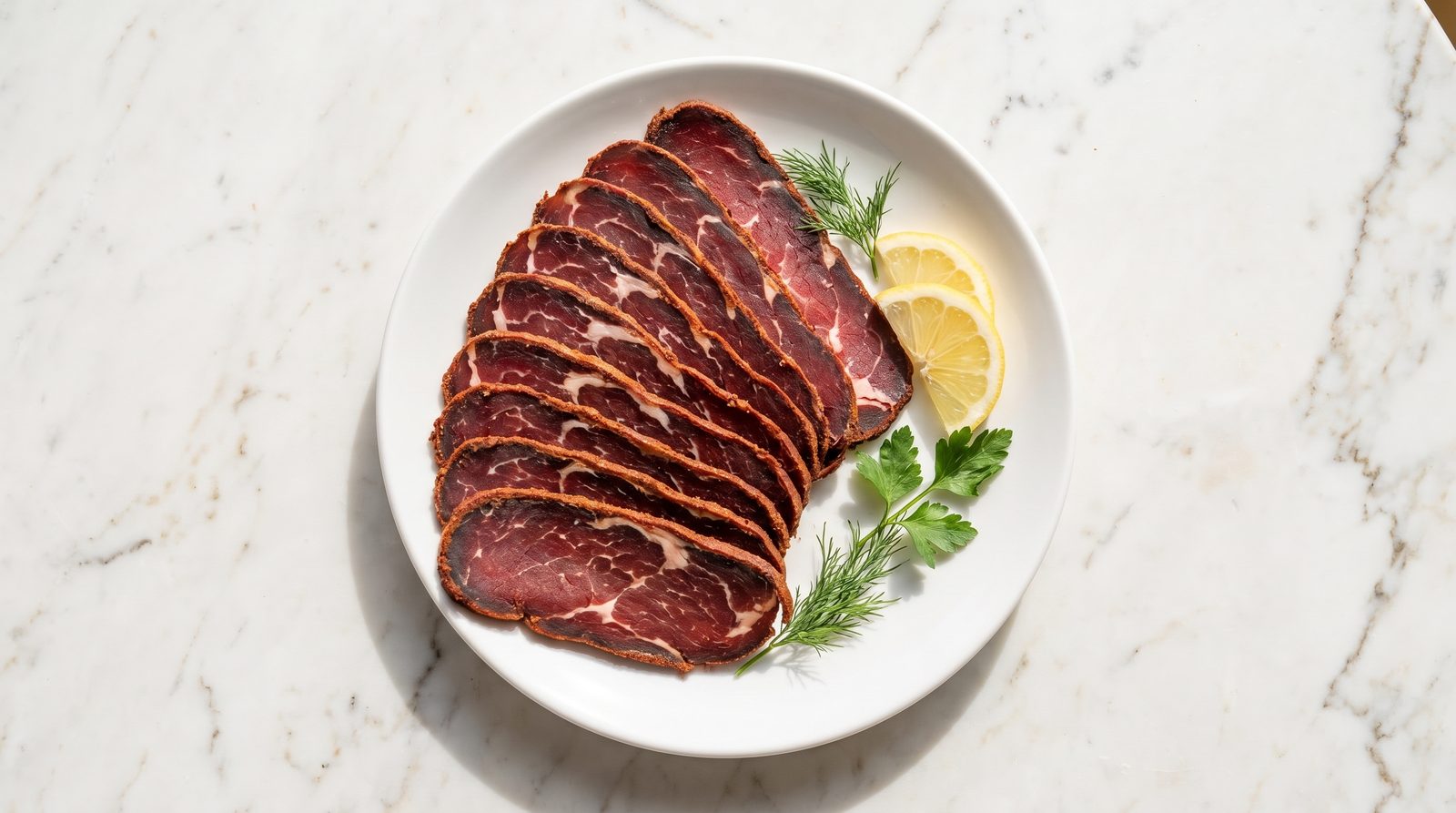
Beef packed in fenugreek and air-dried until it turns dark and deeply savoury, then sliced almost see-through. One of the oldest ways of keeping meat, and still one of the best cold starters we serve.
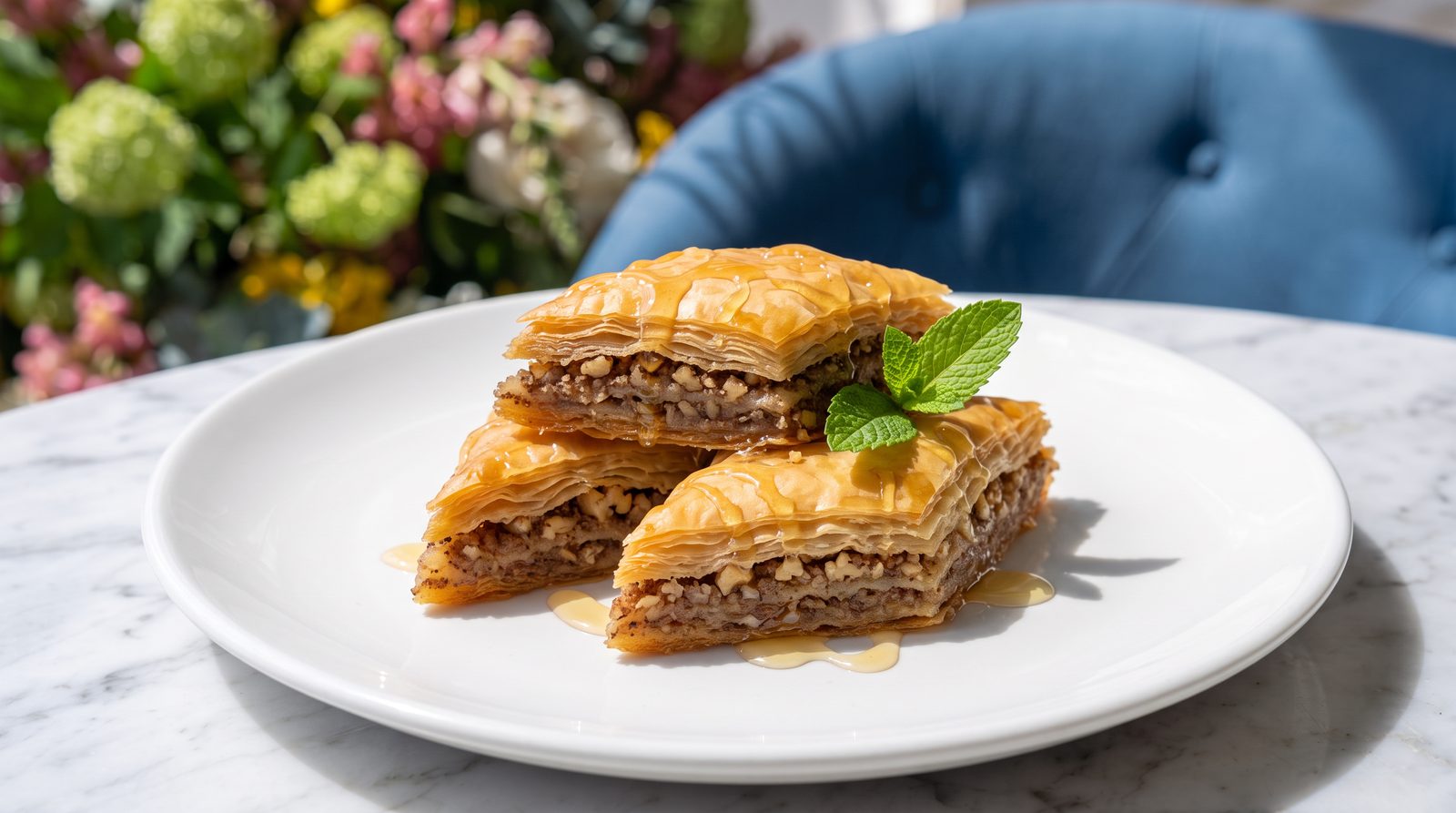
Pastry, walnuts and honey. Armenian paklava is less sweet than its neighbours', spiced with cinnamon and clove instead of rosewater. Have it with an Armenian coffee.
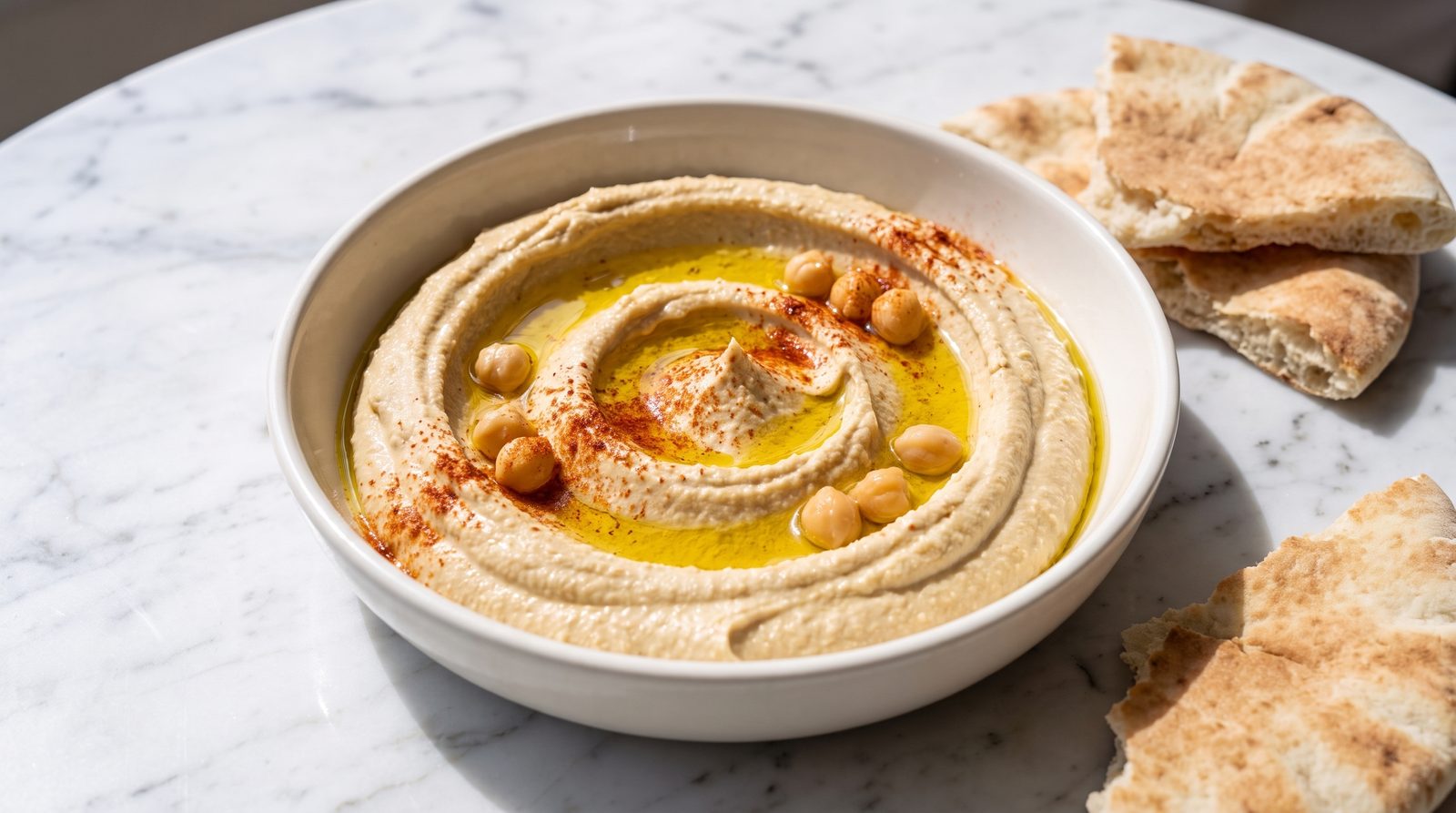
Thin, soft, blistered from the oven wall. Tear it, wrap things in it, use it instead of a fork. Ask for it warm at the start and it'll still be on the table at the end.
Vine leaves rolled around spiced minced lamb, rice and herbs, with jajuk. Every Armenian family swears theirs is the right one. This kitchen has made this one for decades.
The fasting version, and the older one: pickled cabbage leaves around bulgur, lentils, chickpeas and beans, made for the days without meat. Vegan long before anyone called it that.
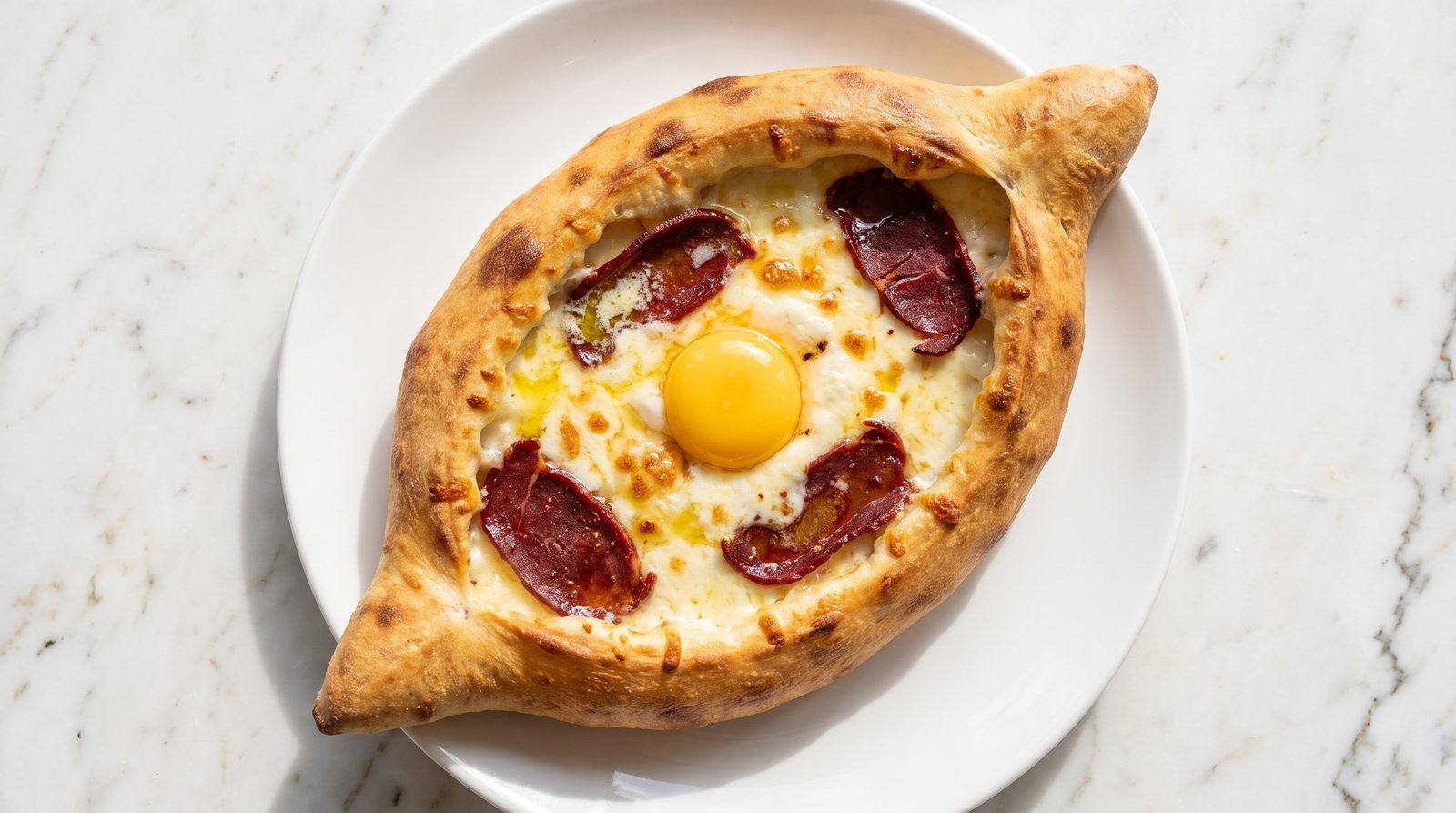
Ukrainian borsch, Georgian khachapuri and khinkali, Russian pelmeni. Armenians spent the twentieth century across all of those places, and when they moved on, they took the recipes with them. Borsch is here for the same reason Armenians are in Manchester.
So the menu isn't confused. It's what an Armenian table looks like: the food of the country, and of everywhere its people ended up.
The grill is lit before service and stays lit until the last order. Everything that leaves it is cooked to order.
The borek is folded by hand every morning, the way it has been since 1968.
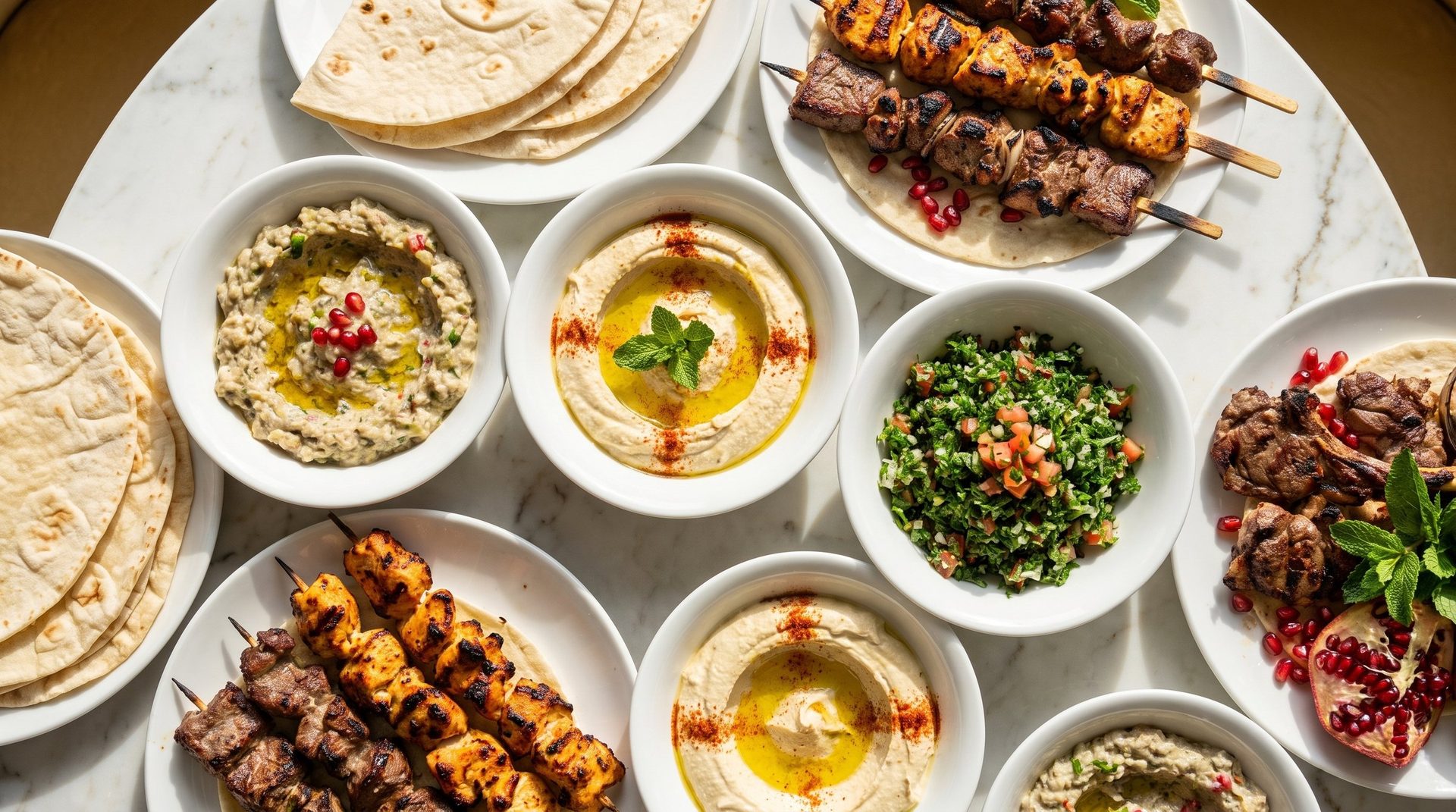
Plates go out together, not in courses. The table fills up, and everyone reaches.
A reworked room, a proper bar and lounge, and a wine list rebuilt around Armenian and Georgian bottles. The grill hasn't changed at all.
Fifty-eight years in, it's still a family running a restaurant. That's the only way it has ever worked.